
October 29, 2026
Alexandra Kinias
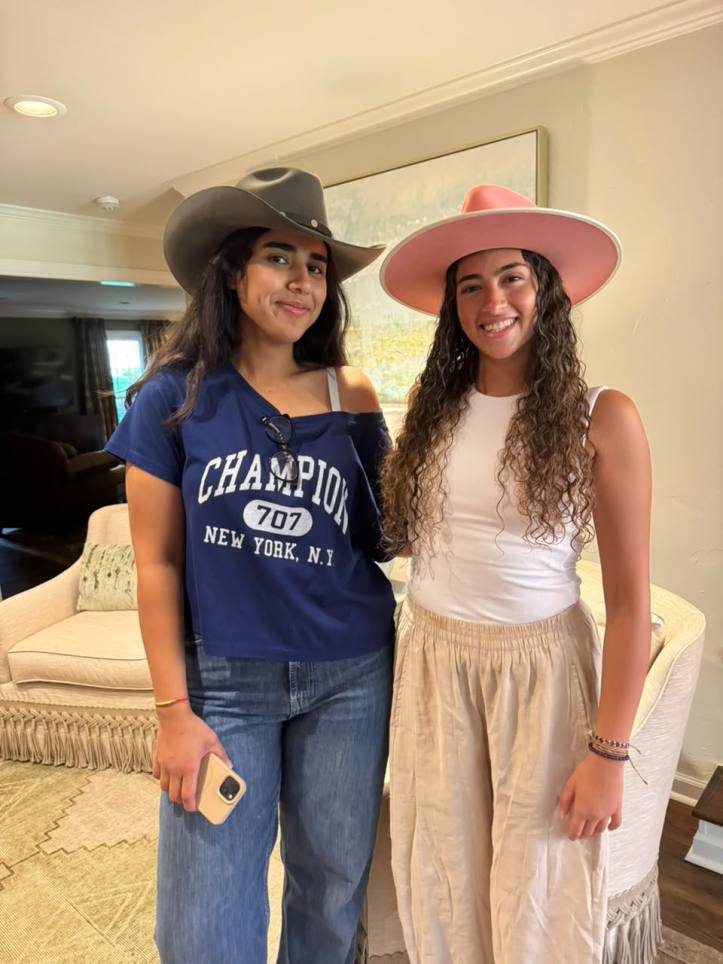
For Judy Tamer and Ghenwa Sherif, a month in Little Rock, Arkansas, became much more than an opportunity to experience American life. It was a journey of cultural exchange, personal growth, unexpected friendships, and a renewed appreciation of their Egyptian identity.
When Judy Tamer and Ghenwa Sherif traveled from Egypt to Little Rock, Arkansas, in the summer of 2026, they arrived with different expectations but a shared purpose: to experience another culture, meet new people, and represent their country abroad.
Both young Egyptian women were selected to participate in the Ottenheimer International Young Adult Program, organized by Rotary Club 99 of Little Rock. The longstanding initiative, established in 1948 through a grant from club member Gus Ottenheimer, brings two young people from another country to Arkansas each summer for approximately four weeks. Participants stay with Rotarian host families, visit local institutions, and experience American life beyond the usual tourist destinations before a concluding visit to Washington, D.C.
The program is designed to promote international goodwill and fellowship by allowing visitors to discover American culture while giving local residents an opportunity to learn about the visitors’ home countries.
For Judy and Ghenwa, the experience would ultimately challenge some of their assumptions about the United States while changing how they viewed their own country.
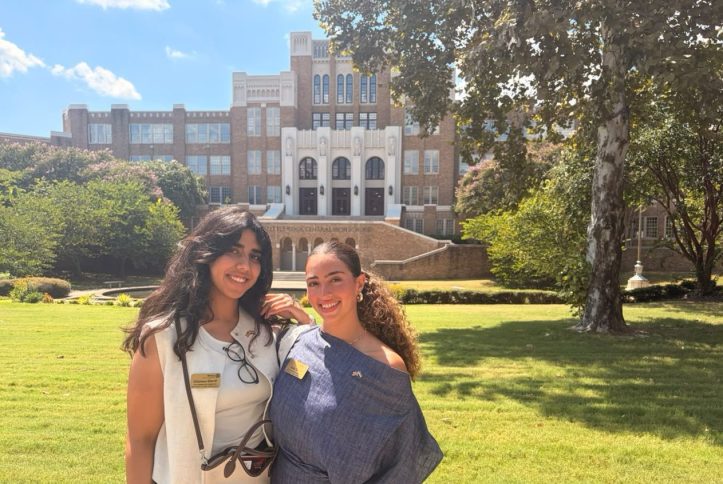
At 22, Ghenwa had just completed her degree in Economics and Politics at New Giza University when she set off for America. It was her first time traveling alone, and she was about to spend an entire month on the other side of the world.
Coming from a relatively conservative Egyptian family, she knew her parents would naturally worry about the distance and the idea of their daughter traveling independently for so long. Their concerns eased after the program organizers personally reassured them that she would be well looked after. Maha Witherington, the program’s co-chair, even met Ghenwa’s father during a visit to Egypt.
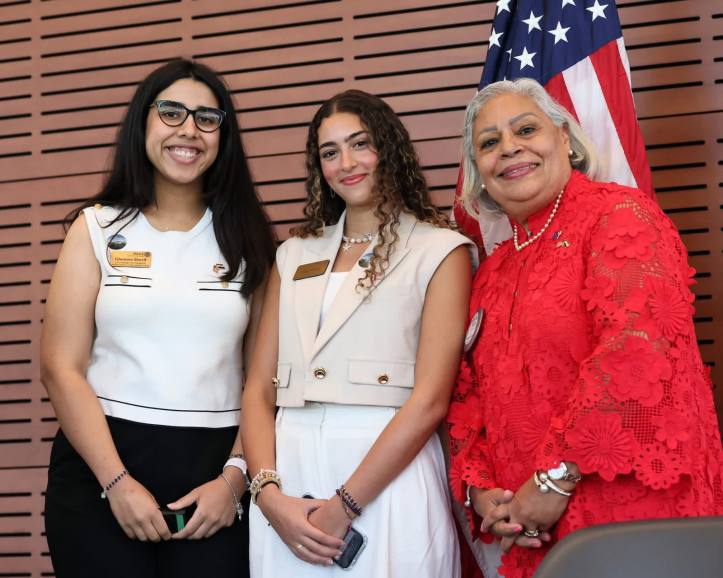
Looking back, Ghenwa describes the trip as one of the most rewarding experiences of her life.
Judy, 23, arrived with a different kind of travel experience behind her. In 2024, she had spent a month in Germany attending a summer school program at Philipps University in Marburg. That experience had introduced her to independent living abroad and encouraged her to seek further opportunities.
A graduate of New Giza University with a degree in Economics and Political Science, Judy had also completed an internship at the League of Arab States, earned a certificate from the Human Rights Council, and launched her own coffee brand.
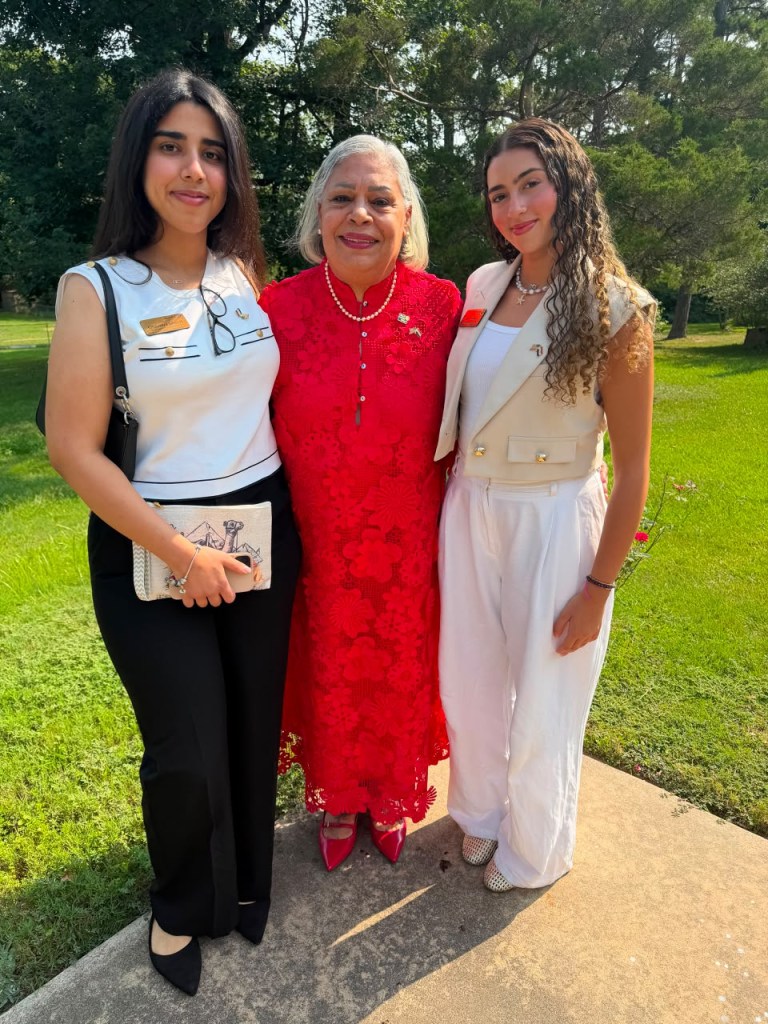
She was selected as the leading candidate among 11 applicants for the Arkansas program. Yet her departure came at a difficult time: just two weeks before the trip, she lost her grandmother. Despite the personal loss, she decided to go, a decision she would later describe with gratitude.
Before traveling, both women had turned to the internet to learn about Arkansas. What they found did not fully prepare them for what awaited them.
Ghenwa had encountered online accounts emphasizing crime, racism, and places to avoid. Judy had assumed that a southern American state might be dry and desert-like, perhaps resembling Texas.
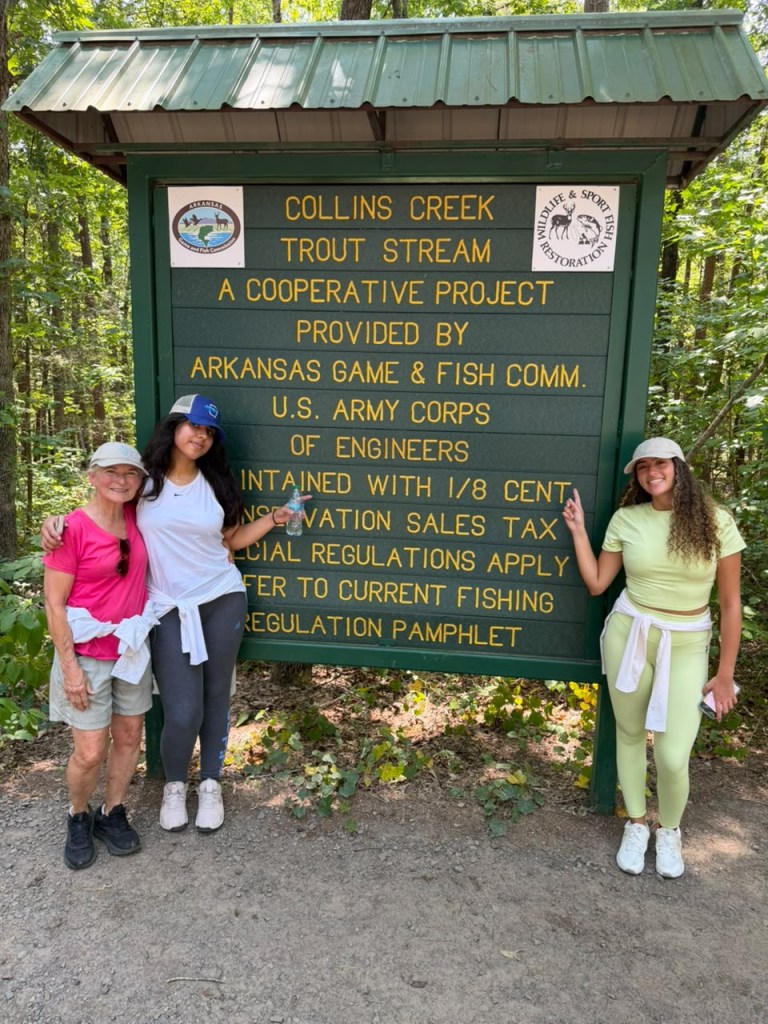
Instead, they discovered a landscape of green forests, expansive lakes, rivers, and peaceful towns. Known as “The Natural State,” Arkansas surprised them with its natural beauty and outdoor lifestyle.
Although both families were initially concerned about the distance and unfamiliarity of Arkansas, the young women were encouraged to embrace the opportunity.
For Judy, swimming in a lake was a new experience. Accustomed to Egypt’s beaches and swimming pools, she enjoyed spending weekends at Lake Hamilton and along the Red River. Ghenwa tried kayaking for the first time on the Little Red River and went tubing at Greers Ferry.
The natural surroundings were only part of the surprise. What left the strongest impression on both women was the warmth of the people they met.
“I can’t speak for all of American culture, but I can definitely speak for the people of Arkansas,” Ghenwa explained. “The warmth and hospitality I experienced there were beyond anything I expected.”
Judy had never heard much about Southern hospitality before her visit. She soon discovered that it meant more than generous meals and welcoming homes. It was reflected in everyday gestures, conversations, and the willingness of people to make two young visitors feel at home.

Their host families welcomed them into their daily lives, introducing them to local customs and traditions. The experience gave the women a glimpse of American life that no online search or tourist itinerary could have offered.
The program’s carefully planned activities allowed Judy and Ghenwa to explore Arkansas beyond its scenery.
They visited schools, hospitals, healthcare facilities, and government institutions, gaining insight into the state’s educational, healthcare, political, economic, and social environments. They also learned about local approaches to economic development and met people whose work shaped their communities.
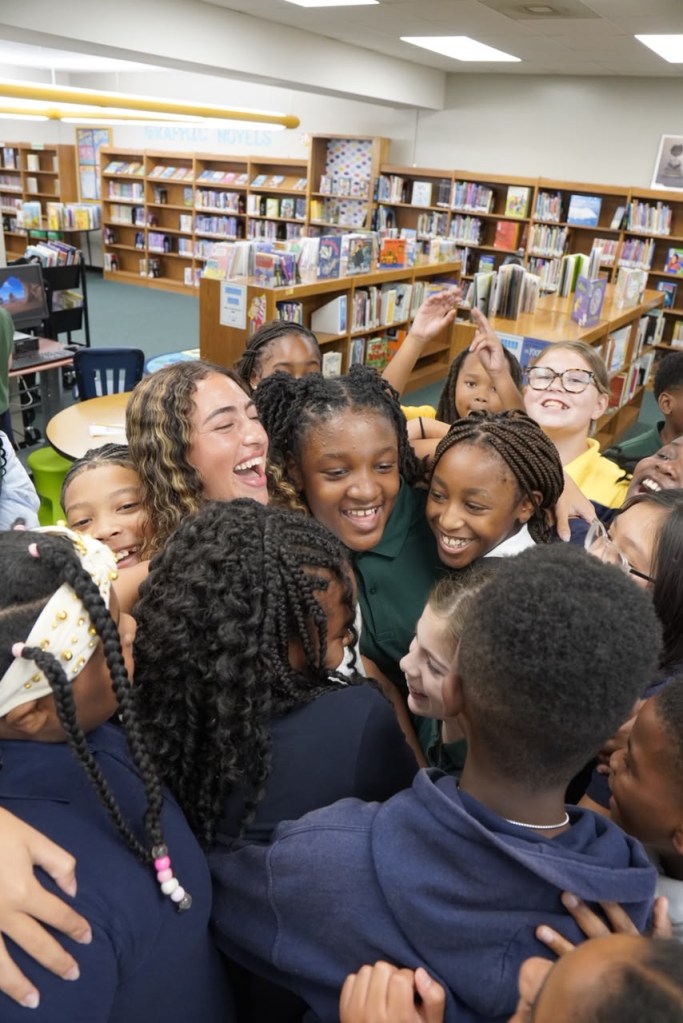
For Ghenwa, visits to elementary schools were among the highlights. Meeting third- and fifth-grade students gave her an opportunity to introduce Egypt to a younger generation.
Their questions were sometimes unexpected. One asked whether she actually lived in the desert.
Rather than dismissing such assumptions, Ghenwa enjoyed answering the children’s questions and explaining the many different sides of modern Egypt. The encounters showed her how cultural exchange can begin with simple curiosity and an honest conversation.
Other experiences took the visitors well outside their comfort zones. Ghenwa tried shooting at a range during an outing arranged by a senator, overcame her fear of dogs, and attended her first baseball game.
A visit to World Services for the Blind also left a lasting impression on her, prompting her to reflect on the things people often take for granted in their own lives.
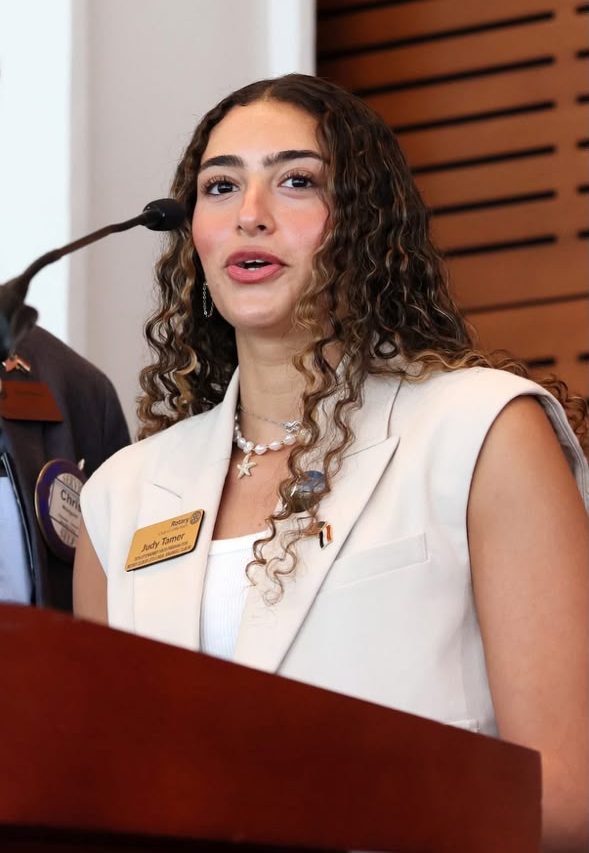
For Judy, the opportunity to meet politicians and government officials and learn about Arkansas’s institutions was particularly valuable. She was impressed by the state’s progress and innovation, qualities she felt were often overlooked.
Both women found that the program offered something more meaningful than a conventional trip: the opportunity to understand a place through the people who live there.
Throughout their stay, Judy and Ghenwa were not simply visitors. They were also representatives of Egypt, sharing their culture and answering questions about their country.
The program included an opening presentation and a closing presentation, allowing them to introduce Egypt, discuss their backgrounds, and reflect on their experiences.
For both women, this responsibility became one of the most meaningful aspects of the journey.
Ghenwa wanted people to see beyond Egypt’s pyramids, temples, mummies, and ancient history. She spoke about the country’s Mediterranean and Red Sea coastlines, its beaches and coral reefs, its cities, its food, music, art, and performers.
She was proud to introduce people to a country that is rich in history but also modern, diverse, and full of creative and ambitious people.
Judy shared that same determination. At first, she felt a strong responsibility to present the best possible image of her country. As she met more people, however, she became increasingly comfortable speaking about Egypt and its people.
She wanted Americans to understand that Egypt is not simply a land of deserts and ancient monuments, but a modern country whose people are educated, talented, and connected to the wider world. She introduced them to destinations ranging from the North Coast and Sinai to Siwa, Luxor, and Aswan.
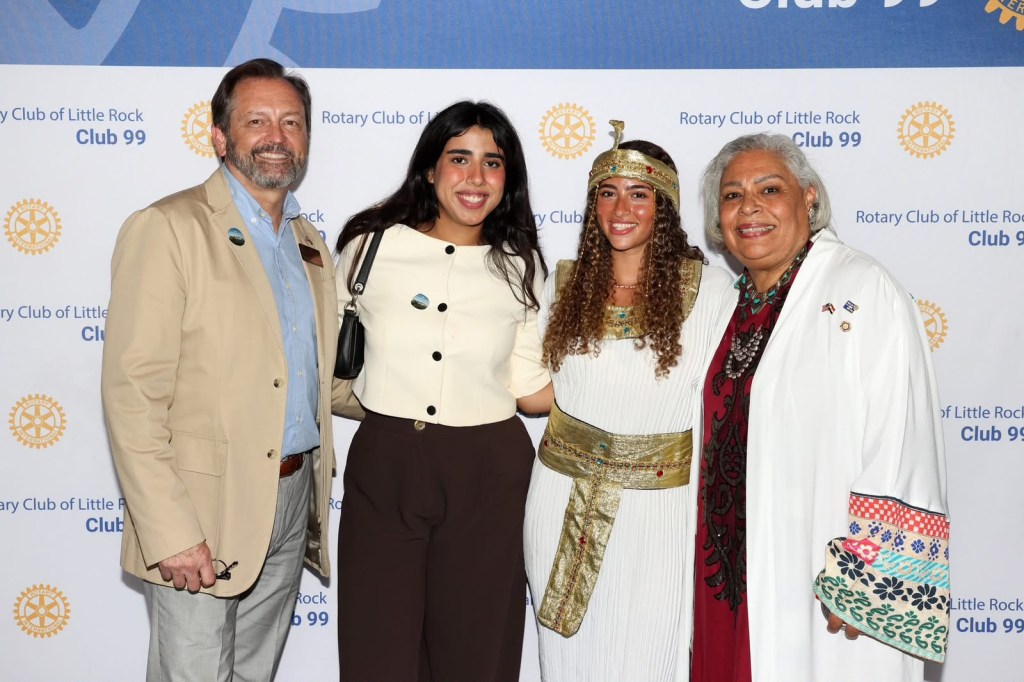
One moment stands out in her memory: the closing presentation, when she chose to wear a traditional Pharaonic costume she had brought from home.
As she spoke about Egypt, she felt proud of what she had shared and emotional about saying goodbye to the people who had become part of her life during the previous month.
Both women were delighted to discover that their conversations had sparked interest in visiting Egypt. For them, seeing people reconsider their assumptions and begin imagining a trip to their country was a rewarding result of the exchange.
Perhaps the most unexpected outcome of the journey was not what Judy and Ghenwa learned about America, but what they learned about Egypt.
Ghenwa returned with an even stronger appreciation for her heritage. She had always been proud of being Egyptian, but seeing other people’s fascination with her country’s history and culture made her recognize how much she had taken for granted.
She also felt proud when Americans complimented her English and engaged her in conversations about economics, politics, and international affairs. These exchanges reinforced her belief that representing a country means showing people the knowledge, perspectives, and aspirations of its citizens, not simply describing its landmarks.
Judy’s change in perspective was particularly striking. Before the trip, she had often viewed the West as the place where she wanted to build her future. Living in Egypt, she felt she had sometimes overlooked her own country’s advantages and beauty.
Her experience in Arkansas encouraged her to reconsider those assumptions.
“ I never want to leave Egypt again,” she reflected, explaining how the experience had made her more appreciative of her country’s natural beauty, culture, and potential.
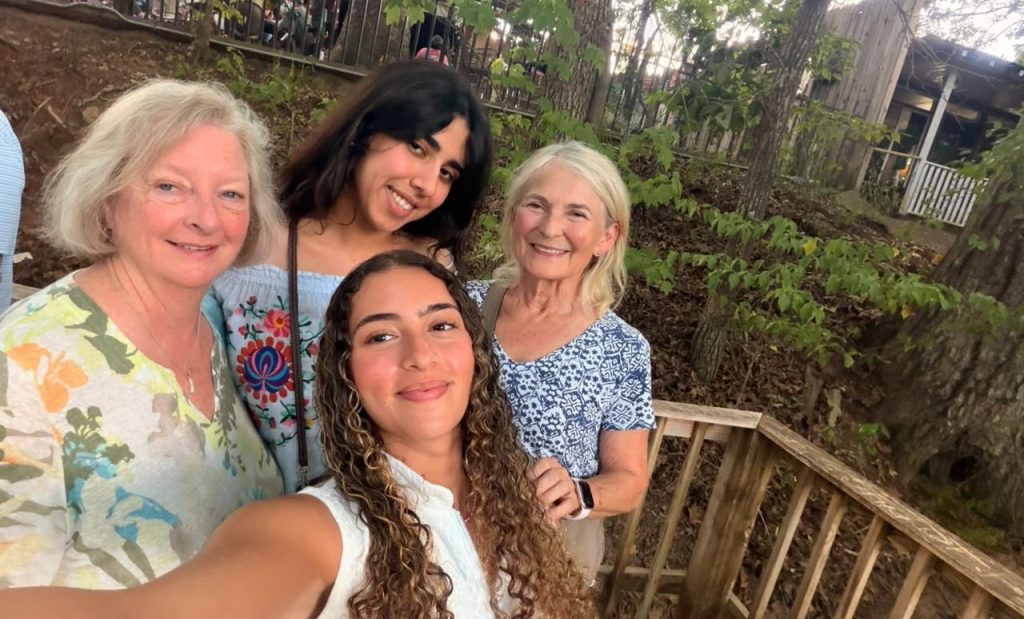
The journey also opened new possibilities for both women. Judy was inspired to consider pursuing a master’s degree in Little Rock. She also began thinking about creating a cultural exchange program in the opposite direction, bringing people from Arkansas and elsewhere to Egypt so they could experience Egyptian hospitality for themselves.
The relationships they built became another defining part of their experience.
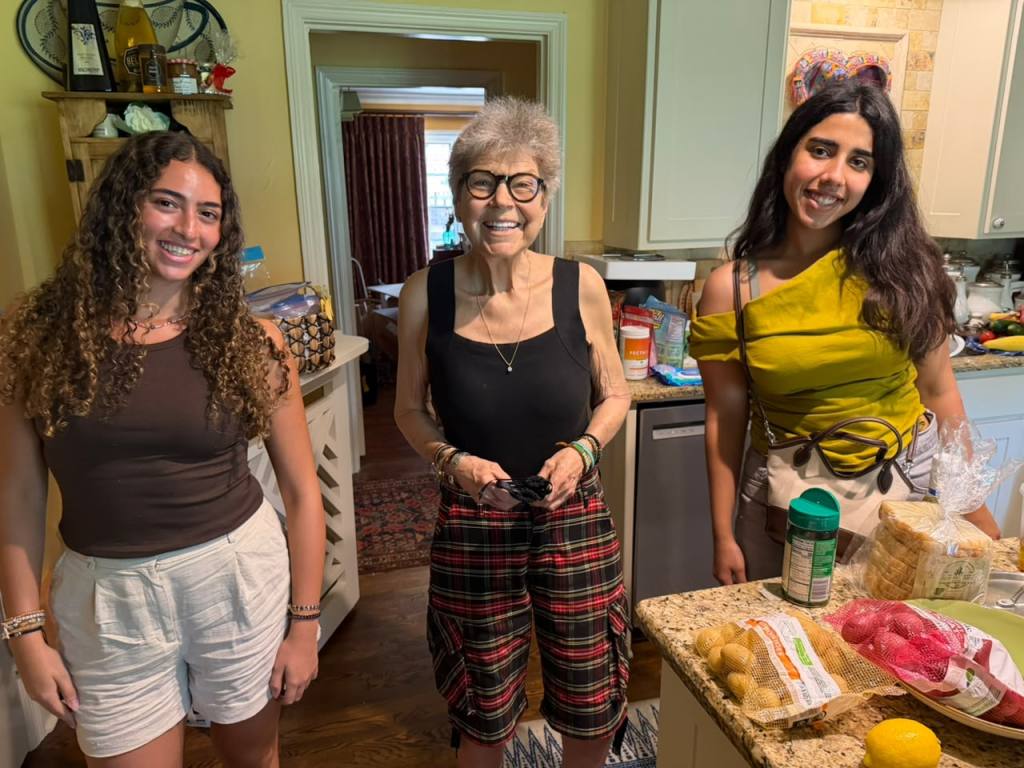
For Ghenwa, the bonds with her host families went far beyond the formal arrangements of the program. She developed a particularly close relationship with Phil and Maha Witherington, whom she came to regard as a second father and mother.
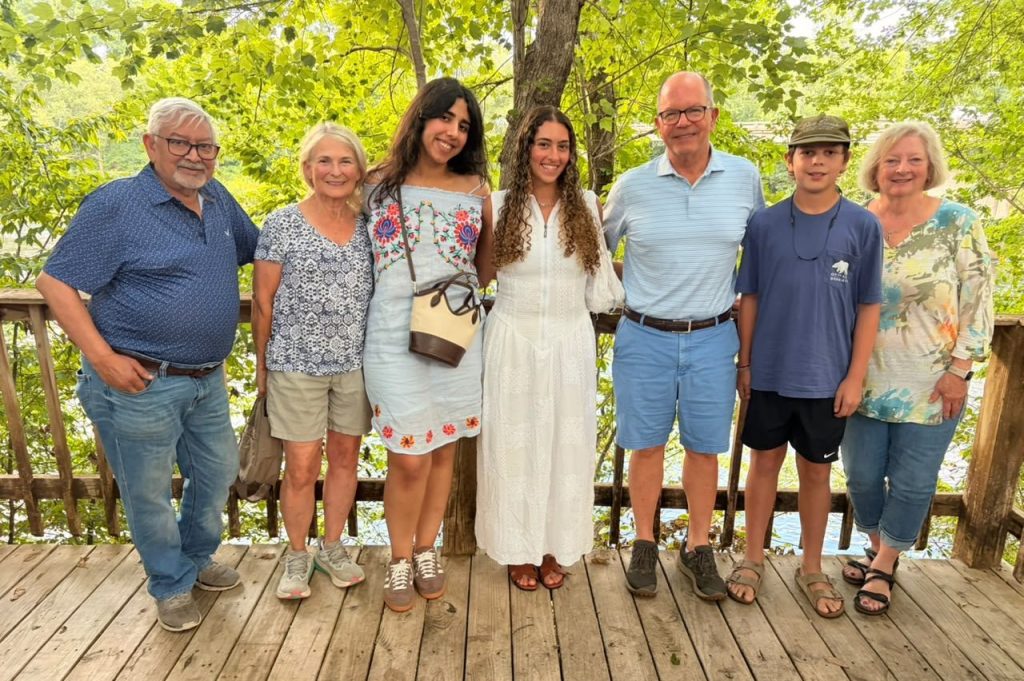
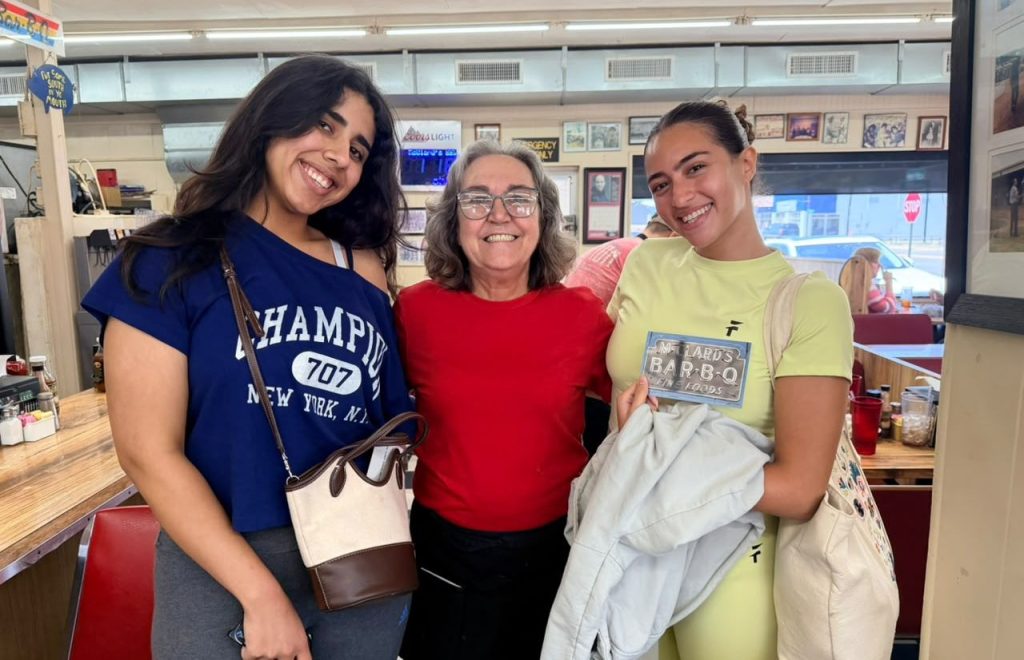
Ghenwa remembers family dinners, conversations, shopping trips, movie nights, games, the family dogs, and the local food she came to love. These ordinary moments, she says, became some of her most treasured memories.
One lesson from her hosts, Phyllis and Johnny, stayed with her: people do not have to be related by blood to treat one another as family.
Judy, too, left Arkansas with a network of friendships and a desire to keep sharing what she had learned. She continued telling friends and relatives about the state, hoping to introduce more people to the beauty and hospitality she had discovered.
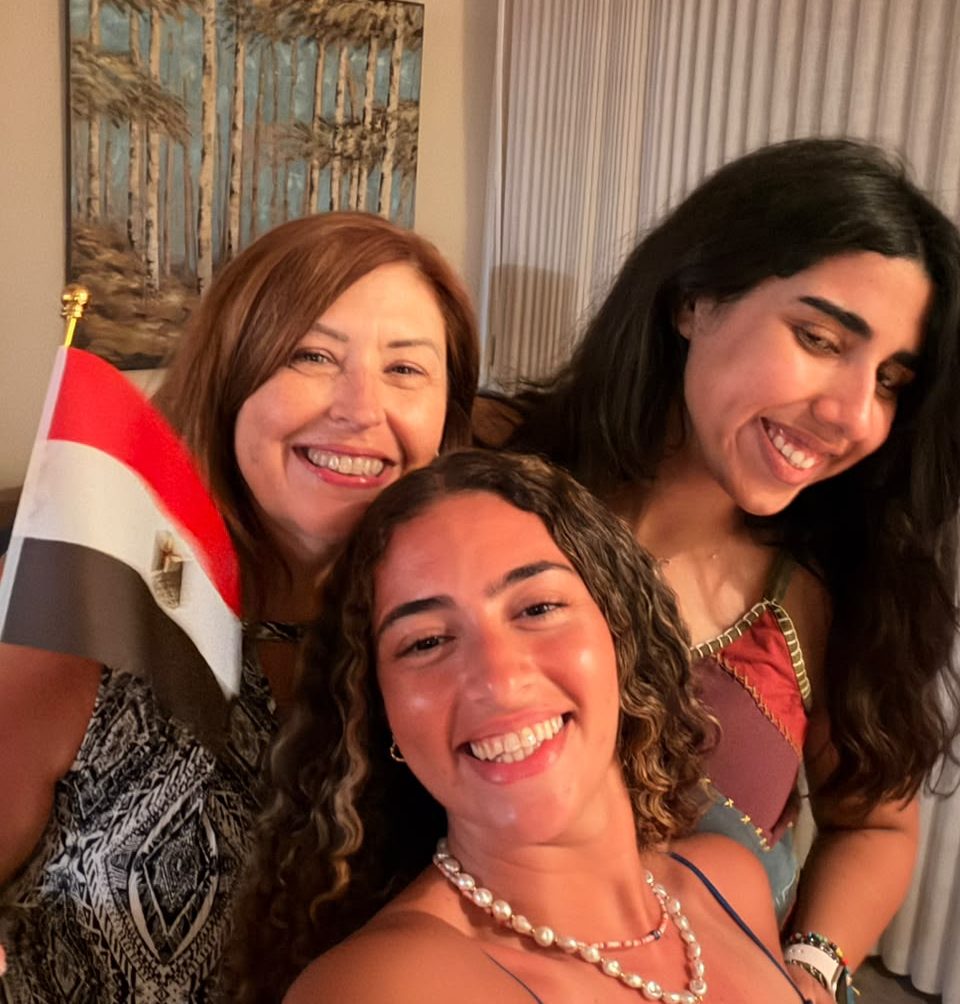
For both women, the experience demonstrated how quickly strangers from different cultures can develop genuine connections when they open their homes and lives to one another.
At the end of their stay, Judy and Ghenwa traveled beyond Arkansas, with visits to Washington, D.C., forming part of the wider experience. Ghenwa spent four additional days in the capital before returning home.
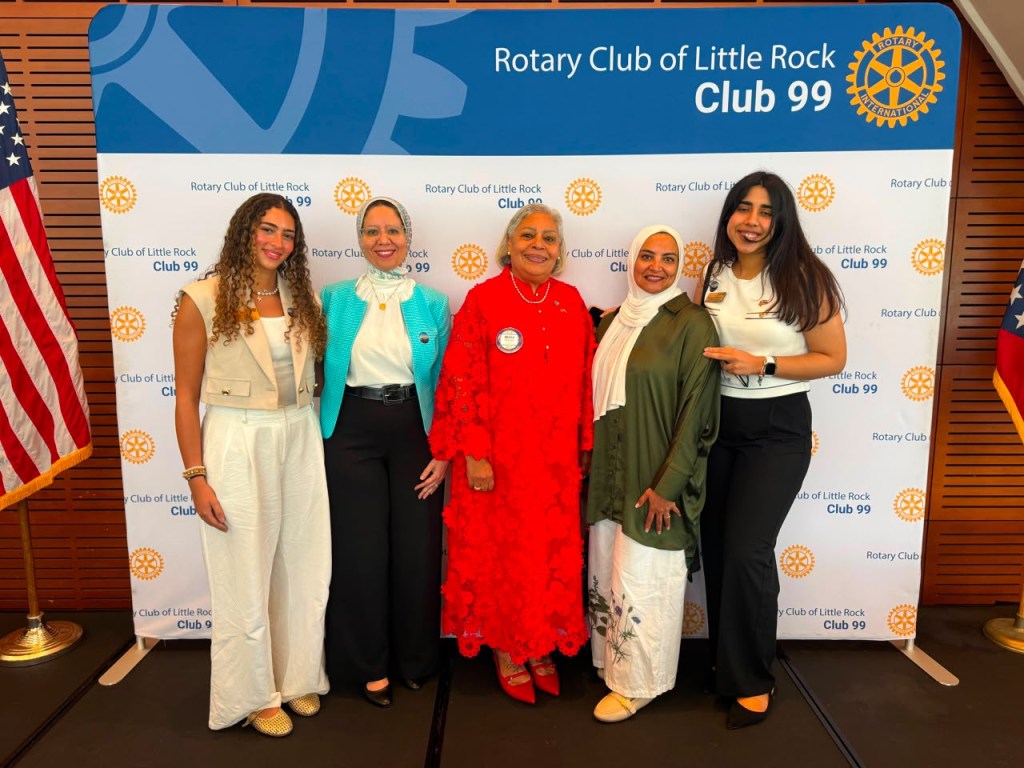
Yet the most lasting part of the journey was not the distance traveled or the number of places visited. It was the change in perspective that came from living among people whose lives and experiences were different from their own.
For Judy and Ghenwa, a summer in Arkansas became more than a journey abroad. It became an experience that reshaped how they see the world, their country, and the connections that can bring people together.

