November 25, 2024
May Allam
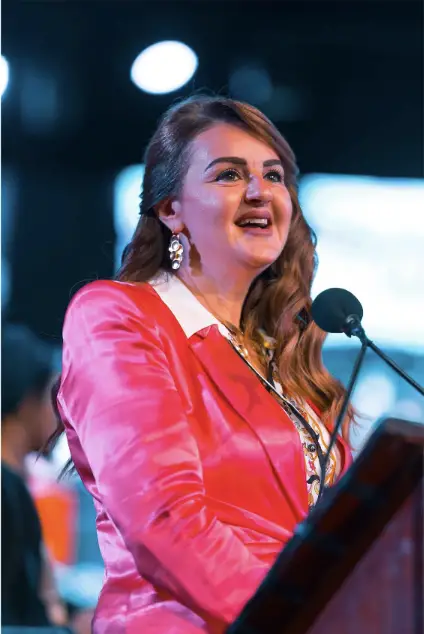
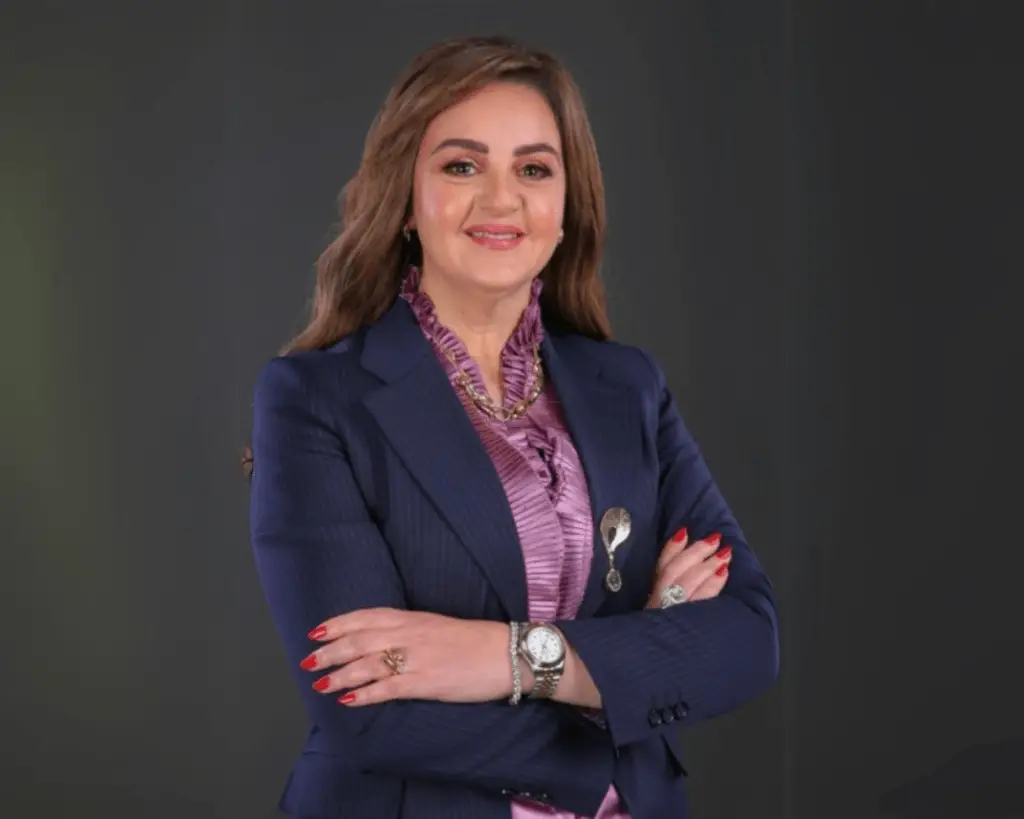
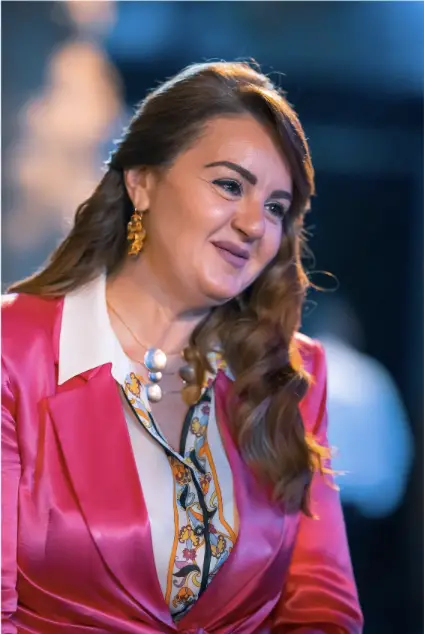
Dr. Shaymaa Tayseer is an influential leader in global education with over 25 years of experience across the U.S., UAE, Saudi Arabia, Egypt, and Qatar، where she had her most recent role as the Education Advisor to the PUE President at Qatar Foundation,
She spearheads large-scale educational reforms. She developed the Strategic Education Provision 2040 for Qatar Foundation, oversaw projects spanning 100 schools within her role as the Chief Education Advisor at CIRA Education . Her collaborations with Oracle Academy, Microsoft, and FranklinCovey have introduced 21st-century skills, AI-driven teaching, and CTE standards to prepare students for a connected, evolving world.
As Vice President of Education at GEMS, the world’s largest K-12 provider, Dr. Shaymaa launched the Prime International Language Schools (PILS) Model in Egypt, aligning national education with international and CTE standards. The model, endorsed by Egypt’s Prime Minister and achieving Cognia candidacy in its first year, has expanded to 300 schools.
She has recently been honored with the Education 2.0 Conference Excellence In Education Award in Dubai, recognizing her profound contributions to educational advancement and her visionary impact in preparing students for tomorrow’s world.
Women of Egypt: What inspired you to work in the field of education specifically, even though you hold several degrees in different fields?
Dr. Shaymaa Tayseer: Education has always been a profound passion for me because it is the foundation of progress and empowerment. Despite my diverse academic background, I was drawn to the transformative power of education—the ability to uplift individuals and communities. From my first experience as a teacher 25 years ago, I realized the immense potential of this field to create meaningful, lasting change. I believe my journey is a testament to the role of the Arab young generation in reshaping the future through education, deeply grounded in the belief that we are, above all, building a nation. This philosophy has guided me throughout my career, inspiring me to lead with purpose and contribute to building a brighter future.
WOEN: Through your vast experience in several Middle East countries, how can you classify the difference in educational systems between them?
ST: Each country in the Middle East has its unique approach to education, shaped by its culture, resources, and national goals. For instance, the UAE has invested heavily in adopting global educational standards and integrating advanced technology. Qatar, on the other hand, is focusing on AI integration, sustainability, and the “glocalization” of its education system—seamlessly blending national values with international standards to create a globally competitive yet locally rooted framework. Egypt, with its rich history, is undergoing a transformation, striving to balance accessibility with quality education while modernizing infrastructure and curriculums.
Despite these differences, there are clear commonalities across the region, The shared focus is on addressing the digital transformation of education, fostering innovation, and bridging the gap between traditional teaching methods and modern technological advancements. Additionally, there’s a collective push to prioritize skills-based learning, entrepreneurship, and preparing students to meet the demands of a rapidly changing global economy. This shared vision reflects a strong commitment to equipping future generations with the tools they need to succeed in an increasingly interconnected world.
WOEN: How did your role as Vice President of GEMS education help you shape international education in the Middle East?
ST: As Vice President of GEMS Education, I had the privilege of leading initiatives that redefined K-12 education across the region. It allowed me to design innovative models, like Prime International Language Schools PILS in Egypt, which prioritize Career Technical Education CTE Skills, Technology, innovation, inclusivity, accessibility, and excellence. My work focused on aligning educational frameworks with global standards while addressing local needs, which ultimately contributed to shaping a robust and adaptive international education ecosystem within the national curriculum standards in Egypt and the Middle East.
WOEN: How does your current role in CIRA and advisor to Qatar’s foundation PUE equip you to change the nature of education in Qatar?
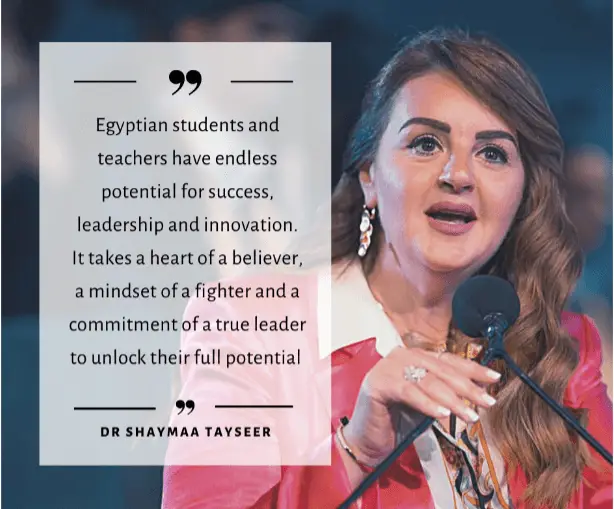
ST: In my role at CIRA, I crafted an innovative strategic education provision for 100 schools, emphasizing global standards, innovative curriculums and capacity building for ALL. Meanwhile, at Qatar Foundation PUE, I contribute to groundbreaking initiatives like the 2040 Strategic Education Provision Framework. Both roles allow me to drive advancements in education by leveraging technology, fostering global partnerships, and tailoring learning experiences to equip students with skills for an ever-changing world.
WOEN: How do you think Prime International Language Schools PILS in Egypt, which you founded and introduced the integration of Career Technical Education CTE skills, coding and AI in its curriculum, change the educational arena in schools in Egypt?
ST: Prime International Schools marked a pivotal step in Egypt’s educational evolution by embedding Values, Career Technical Education CTE standards, coding, AI, and STEM education into the curriculum from Pre-K to Grade 12 within the school hours. This approach equips students with future-ready skills, fosters creativity, and ensures they are not just consumers of technology but innovators and producers. It sets a benchmark for other institutions in Egypt, paving the way for an education system that embraces values & technology as cornerstones of learning.
WOEN: As an Egyptian woman leading man in various Gulf countries, what challenges did you face and how did you overcome them?
ST: Being an Egyptian woman in leadership roles across the Gulf was challenging, particularly in environments where traditional norms prevailed. I faced skepticism and resistance, but I relied on my expertise, resilience, and results-driven approach to establish credibility. What truly made a difference was my focus on building strong, collaborative teams and empowering individuals to excel. By fostering a culture of trust, mutual respect, and shared purpose, I turned challenges into opportunities for growth. I believe that leadership is about inspiring and unlocking the potential of others, and it was through this collective effort that we were able to achieve remarkable success. My journey has been a testament to the power of teamwork and the importance of leading with empathy, purpose, and unwavering commitment to a shared vision.
WOEN: How can Egyptian schools embody technology to promote learning in Egypt, to be comparable to their counterparts in the Gulf countries?
ST: Egypt has made significant strides in education, positioning itself as a leader in STEM with over 15 specialized schools and pioneering initiatives like the Nile International Certificate (NIC), which is globally recognized and affiliated with Cambridge University standards. None of the Gulf countries are having these initiatives. However, challenges persist in scaling these advancements and addressing systemic issues such as teacher shortages, infrastructure deficiencies, and unequal access to quality education across urban and rural areas.
To further enhance its education system and effectively leverage technology, Egyptian schools can adopt the following solutions:
- AI and Adaptive Learning Platforms:
Implementing AI-driven systems can personalize education, addressing diverse learning needs and improving student outcomes. AI can also optimize classroom resources, particularly in overcrowded settings. - Teacher Development and Retention:
Professional development programs focusing on digital tools and modern teaching methods are essential. Encouraging hybrid learning models and using AI to support teachers in administrative and instructional tasks can alleviate pressure and improve teacher satisfaction. Accredited online and hybrid systems supported by the Ministry of Education (MOE) can also bridge gaps in teacher availability and expertise. - Scalability and Infrastructure Improvements:
Expanding STEM education models and the NIC across more schools will require government and private sector partnerships. Investment in modern infrastructure and digital tools, especially in underserved rural areas, can ensure equitable access to quality education. - Integration of Technology in Curriculum:
Aligning curriculums with international ICT standards and emphasizing STEM, coding, and AI from early grades will prepare students for global opportunities. The NIC framework already sets an example for how such alignment can elevate students to top rankings worldwide. - Addressing Financial Constraints:
Scaling technology-based solutions and hybrid systems can optimize costs. Collaboration with international ed-tech companies can provide affordable and scalable digital solutions to enhance classroom learning. - Focus on Equity:
Targeted efforts to bridge the gap between rural and urban education, including mobile learning centers, AI-powered remote teaching, and partnerships with global organizations, can ensure broader access to high-quality education.
By addressing these challenges and implementing these solutions, Egyptian schools can harness their unique achievements and leverage technology to rival their Gulf counterparts, positioning the country as a regional leader in education innovation. The focus should be on creating a system that is scalable, inclusive, and adaptable to future needs.
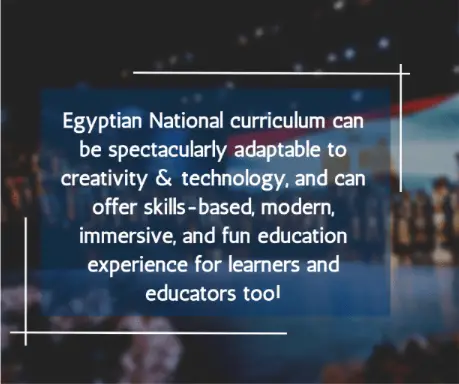
WOEN: What is your advice to women in the Education field, looking to make an impact on the world of education, specifically in the Middle East?
ST: My advice is to embrace your unique perspective and lead with purpose. Focus on addressing real challenges in your community, leverage values, technology and entrepreneur skills, to drive innovation, and build strong networks. Resilience and adaptability are key. Empowering others, especially your teams, will amplify your impact. Remember, education is a powerful tool for change, and your leadership can shape futures. “We are – above all, building a nation”
WOEN: Where do you see the education system in Egypt in the coming years and what can be done to improve it?
ST: Egypt’s education system is on a promising trajectory, with significant advancements such as curriculum and assessment reforms that prioritize critical thinking and practical skills, exemplified by initiatives like the Nile International Certificate and the expansion of STEM schools. These reforms have set global benchmarks, positioning Egypt as a leader in these areas.
To further accelerate progress, Egypt must focus on scaling these successful models, addressing teacher shortages with comprehensive training in technology integration, and improving infrastructure in underserved areas. Strengthening partnerships with global institutions and investors can drive innovation and expand resources. By continuing to enhance scalability, accessibility, and quality, Egypt can solidify its position as a regional leader in education very soon.
WOEN: What are your dreams on a personal level as well as a professional level?
ST: Professionally, I aspire to continue transforming education across Egypt and the Arab World, empowering the next generation to lead with values, skills, knowledge and creativity. Personally, my dream is to inspire others through my journey, proving that resilience and passion can create meaningful change. Ultimately, my mission is to leave a lasting impact on the educational landscape, contributing to a brighter, more inclusive future for all.
Dr. Shaymaa Tayseer holds a Bachelor of Arts in History and a Doctorate in Education (Ed.D.) from Stellenbosch University. She pursued a Master’s in Educational Leadership from the University of Central Florida (UCF) and an MBA from Cairo University. Most recently, she finalized her DBA in Crisis and Risk Management.
Dr. Shaymaa’s work with Egypt’s Ministry of Communication and Information Technology and the UNDP’s youth employability projects highlights her commitment to merging global best practices with local needs to develop industry skills in the Arab world. Passionate about the 2030 mission to elevate Egypt and the Arab region in educational excellence, she believes deeply in the power of nation-building, exemplifying the pivotal role of Egyptian women in shaping the future.
Currently, she serves as an Assistant Professor at the Faculty of Engineering, Cairo University, where she teaches students Marketing Management, critical thinking, resilience, and ethical leadership.
 Women of Egypt Network
[…] 2024-11-26 05:27:00 Source link […]
LikeLike